
Langtang Tamang Heritage Trek Accommodation & Meals: The Complete Guide to Teahouses, Homestays and Food
15th Nov, 2026
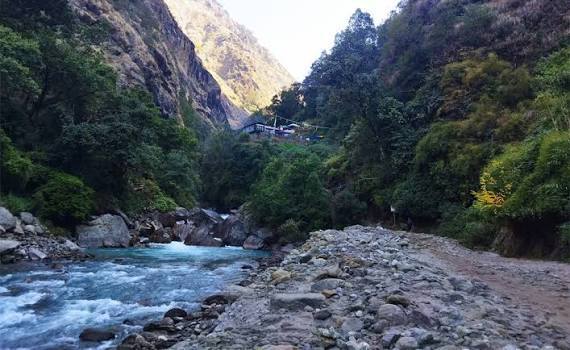
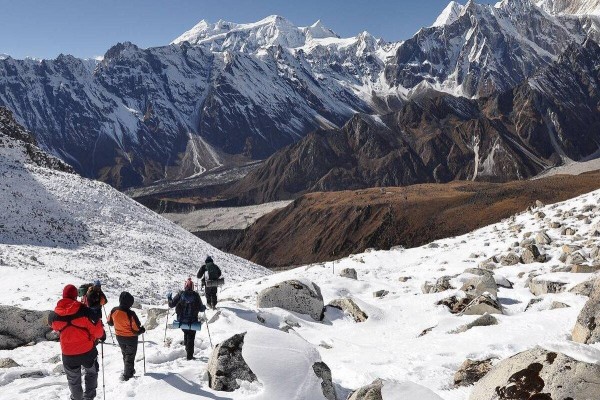
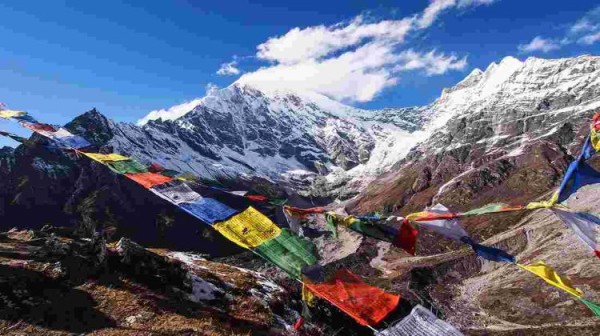
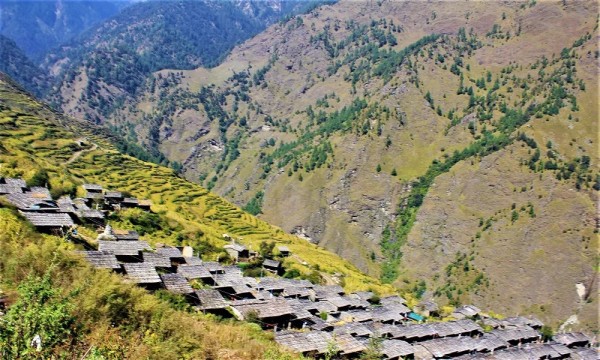
The Tamang Heritage Trail is one of Nepal’s best cultural treks. It also has a very practical advantage: you are never far from a warm bed, a hot meal and a friendly host. The route runs through Tamang villages close to the Tibetan border, with views of Ganesh Himal, Langtang Lirung and the Jugal Himal. Many trekkers find the food and lodging as memorable as the mountains.
Table of Contents
This guide covers where you will sleep each night, what you will eat, what is and isn’t included, and how to prepare. It is based on the 10-day itinerary of Mountain Eco Treks’ Langtang Tamang Heritage Trek.
Quick Facts: Accommodation and Meals at a Glance
| Detail | What to expect |
|---|---|
| Trek duration | 10 days (8 days on the trail and road, plus arrival and departure days in Kathmandu) |
| Trek accommodation | Local lodges, teahouses and homestay-style guesthouses |
| Rooms | Twin-sharing rooms (single supplement on request) |
| Kathmandu hotel | Star-category hotel with breakfast |
| Trek meals | Breakfast, lunch and dinner every trekking day |
| Drinking water | Chlorine-treated safe water, as listed in the package |
| Grade | Moderate |
| Best seasons | All seasons except monsoon |
Where Will You Sleep? Accommodation on the Tamang Heritage Trek
Kathmandu: Comfortable Hotel Stays
You start and finish in Kathmandu in a tourist-standard hotel. The standard package includes three nights with breakfast at a star-category hotel. After the rural lodges, a proper hotel room and hot shower feel luxurious.
On the Trail: Lodges, Teahouses and Homestays
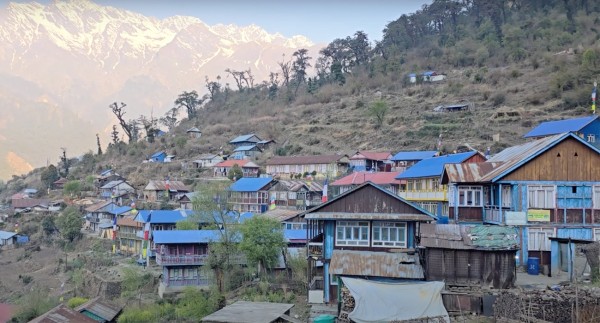
There are no luxury hotels on this trail, and that is part of its charm. You will stay in simple, clean, family-run lodges. These are basic twin rooms with comfortable beds and shared bathrooms. Some villages offer homestay-style stays, where you sleep in a Tamang family’s home.
Here is a night-by-night picture:
Night 1 – Syabrubesi (1,470 m). After the scenic drive from Kathmandu via Trisuli Bazaar and Dhunche, you spend the first trail night in a simple but cozy local lodge. Syabrubesi is the busiest village on the route, so lodges here are the most developed.
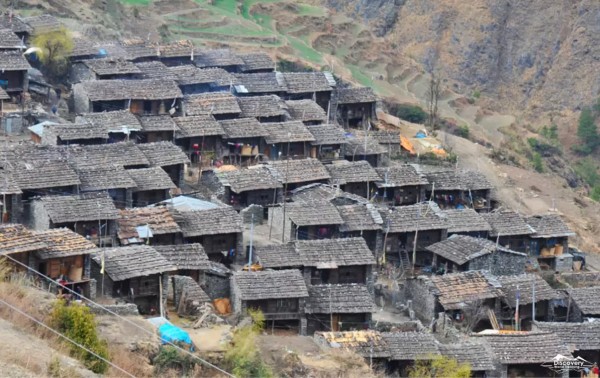
Night 2 – Gatlang (2,200 m). Gatlang is a large, impressive Tamang village. You stay in a local lodge, guesthouse or homestay. There is time to visit the monastery and see traditional Tamang houses, so your hosts are part of the experience.
Night 3 – Tatopani (2,607 m). Tatopani means “hot water.” The village is known for its natural hot springs, where you can soak tired legs after a six-hour walk. This is usually a trekker favorite.
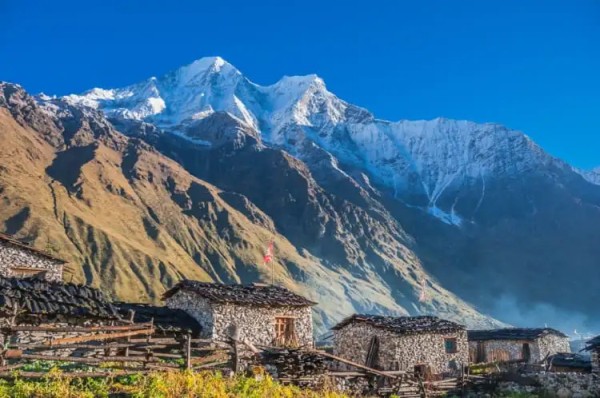
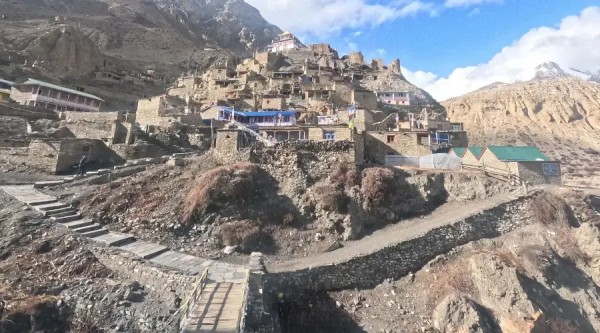
Night 4 – Thuman (2,400 m). Thuman is an isolated farm village, and its lodges are among the most authentic on the trail. Expect traditional stone-and-wood architecture and mountain views from your doorstep.
Night 5 – Briddim (2,345 m). This remote Tamang village sits in the forest. Accommodation is simple, and the evenings are quiet and starry.
Night 6 – Lama Hotel (2,350 m). This small forest settlement on the upper Trisuli River has several lodges. It sits on the main Langtang Valley route, so it has slightly more lodge choice.
Night 7 – Syabrubesi. You return to Syabrubesi for a final night in a trail lodge before the drive back to Kathmandu.
What Are the Rooms Like?
- Beds: Two single beds with a mattress, pillow and blanket.
- Walls: Often thin wood panels, so bring earplugs if you sleep lightly.
- Bathrooms: Usually shared and basic.
- Heating: Rooms are generally unheated. The dining room is the warm social hub, especially in winter.
- Sleeping bag: A down sleeping bag is available for use while trekking if necessary. In cold months, bringing your own liner adds comfort.
Tip: Single rooms can be arranged, but a single supplement is charged when you have no partner to share with. Ask about this when you enquire.
What Will You Eat? Meals on the Langtang Tamang Heritage Trek
On the trail you get three meals a day (breakfast, lunch and dinner), plus snacks such as energy bars and seasonal fresh fruit as part of the package. Meals are freshly prepared in lodge kitchens, and your guide checks the quality and hygiene.
Breakfast
You can usually choose from:
- Porridge or oats
- Tibetan bread, chapati or toast
- Hash browns
- Eggs cooked in different styles
- Tea or coffee
Lunch and Dinner
The teahouse menu is wider than most first-timers expect:
- Dal bhat (rice, lentil soup, vegetable curry and pickle), Nepal’s classic trekking meal, usually with free refills
- Fried or steamed momos (dumplings with vegetable or meat filling)
- Fried noodles and noodle soup
- Sherpa stew
- Pasta, pizza, paratha and burgers
- Seasonal vegetables and fruits from the village
Tamang Local Flavors
Because this is a cultural trail, ask your hosts what they eat themselves. Tamang kitchens are known for hearty mountain food such as millet-based dishes, fermented greens and local butter tea. Ask your guide what is available at each stop, since village menus change with the season.
Vegetarian and Vegan Trekkers
Vegetarian and vegan trekkers are well served. Dal bhat, vegetable noodles, vegetable momos and potato dishes are available everywhere. Tell your guide about any dietary needs at the start, and he will pass them on to each lodge kitchen.
Farewell Dinner
The package includes a farewell dinner with typical Nepali food in Kathmandu at the end of the trip.
Drinking Water on the Trail
Untreated mountain water is not safe to drink. The package includes unlimited chlorine-treated drinking water. Bring a refillable bottle and a thermos if you like to start the day with hot water. This saves money and reduces plastic waste.
What’s Included and What Costs Extra
Included in the standard package
- Three trek meals daily, plus snacks and seasonal fruit
- Best available twin-sharing room during the trek
- Three nights’ hotel accommodation with breakfast in Kathmandu
- Experienced guide, plus porters with their food, lodging and equipment
- Permits and paperwork, a trekking map and a first-aid kit
- Duffel bag and down sleeping bag use if needed
- Farewell dinner
- Transport, as listed on the trip page
Not included (budget for these)
- Lunch and dinner in Kathmandu
- Bottled drinks and boiled water
- Hot showers on the trek
- Wi-Fi and charging of electronic devices
- Personal travel insurance (strongly recommended)
- Personal snacks and expenses
- Tips for guides, porters and drivers
Budget tip: Carry small Nepali rupee notes for showers, charging, drinks and tipping. ATMs are not available in the villages.
Staying Connected and Charged
Mobile coverage is available in many villages but not everywhere. It can disappear in deep valleys. Wi-Fi and charging are paid extras, so bring a power bank and a two-pin adapter. Trekkers can share Mountain Eco Treks’ phone number with one family member so the team can pass on updates when service allows.
Best Time to Trek for Comfortable Lodging
The trail is open in all seasons except monsoon, when it can be slippery and landslide-prone.
- Spring (March–May): Rhododendron and magnolia forests bloom, and lodges are lively but not overcrowded.
- Autumn (September–November): Clear skies and stable weather. This is the most popular season, so book early.
- Winter (December–February): Cold nights and crisp mountain views. Pack extra warm clothing, especially above 3,000 m.
Practical Packing List for Lodge Life
- Down jacket, fleece and thermal layers
- Sleeping bag liner (extra hygiene and warmth)
- Headlamp and spare batteries
- Earplugs
- Flip-flops or sandals for the evenings
- Wet wipes and hand sanitizer
- Toilet paper
- Refillable water bottle and purification tablets
- Walking poles, sun protection and a power bank
Responsible Trekking Tips
- Eat local and support village families directly.
- Ask before photographing people or monasteries.
- Take your plastic out with you wherever possible.
- Don’t give sweets or money to children, as this encourages begging.
- Respect Tamang customs and holy places, and walk clockwise around mani walls and chortens.
Frequently Asked Questions
Are there luxury lodges on the Tamang Heritage Trek?
No. Accommodation is simple and comfortable. It is a remote region, so expect basic lodges rather than luxury hotels.
Is the food safe to eat?
Yes. Meals are freshly cooked and checked by your guide. Fresh, simply cooked dishes like dal bhat are the safest and most energizing choices.
Do I need to book rooms in advance?
When you trek with an agency, your guide arranges your rooms. This is helpful in peak seasons when lodges fill quickly.
Can vegans trek here?
Yes. Vegan options are available at most lodges.
Is hot water available?
Hot showers are available in some lodges for an extra fee. Hot drinks are always available.
How hard is the trek?
It is graded moderate, with 6 to 7 hours of walking most days, so it suits active beginners with reasonable fitness.
Do I need permits?
Yes. You need a Langtang National Park permit and a TIMS card. Mountain Eco Treks arranges these as part of the package.
Plan Your Trek With Mountain Eco Treks
Good accommodation and food make a trek enjoyable, and a well-organized local team makes sure both work smoothly. Mountain Eco Treks is a Kathmandu-based, government-registered trekking company, and its Langtang Tamang Heritage Trek covers the guide, porters, permits, meals, lodges and transport in one package.
👉 See the full itinerary, inclusions and price: Langtang Tamang Heritage Trek – 10 Days
You can also message the team via WhatsApp or send an enquiry through the contact page.
Want to Explore More of Langtang?
- Langtang Valley Trek: glacier views and Kyanjin Gompa
- Langtang – Gosainkunda Circuit Trek: sacred high-altitude lakes
- Helambu Trek: an easier trek close to Kathmandu
- Kathmandu City Sightseeing Tour: a good way to use your spare day
- More Mountain Eco Treks travel tips
Final Thoughts
On the Langtang Tamang Heritage Trek you sleep in family-run lodges and eat food cooked by the people who live in the villages. Expect simple rooms, hearty meals, hot springs, warm hospitality and mountain views at every stop.
Ready to book? Start your enquiry here.
Recent From Blog

19th Apr, 2019


23rd Dec, 2018

11th Jan, 2024

14th Jan, 2024

29th Jan, 2025

11th Feb, 2025

18th Feb, 2025

25th Feb, 2025

5th Apr, 2025
23rd Dec, 2025
9th May, 2026
12th Jul, 2026

13th Aug, 2026
13th Aug, 2026
13th Aug, 2026

16th Aug, 2026
20th Aug, 2026


11th Sep, 2026
24th Sep, 2026
25th Sep, 2026
5th Oct, 2026
6th Oct, 2026
11th Oct, 2026
13th Oct, 2026